

Banks are helping preserve art and cultural history worldwide. Since 2010, Bank of America’s Art Conservation Project has restored over 261 artworks in 40 countries. In 2024, it funded key projects like restoring 32 paintings in the Louvre’s Napoléon III Apartments during the Paris Olympics, a Monet painting, and a Jenny Holzer LED installation. These efforts protect diverse art forms, improve public access, and foster global collaboration. Here's how banks are shaping the future of art conservation:
- Over $20 million annually allocated by banks for art preservation.
- 24 museums in 11 countries received grants in 2024.
- Projects include classical paintings, modern installations, and traditional statues.
- Partnerships with museums, universities, and cultural organizations enhance expertise.
Art conservation isn’t just about preservation - it’s about connecting people to history and making art accessible for future generations.
Bank of America Art Conservation Project 2021 Grant Recipients Announcement

Bank-Funded Art Conservation Projects Overview
Banks are playing a growing role in art conservation, with leading financial institutions collectively allocating over $20 million each year to preservation efforts across the globe [2][3].
Extent of Bank Involvement
In 2024 alone, 24 museums in 11 different countries received grants through the Bank of America Art Conservation Project [2][3]. These efforts span various regions and focus on diverse projects, including:
| Region | Notable Projects | Highlights |
|---|---|---|
| Europe | Restoration of 32 paintings in the Louvre's Napoléon III Apartments | Coordinated with Paris Olympics 2024 |
| North America | Degas artwork restoration at the Chrysler Museum | Improved public access to the collection |
| Asia | Conservation of traditional Japanese wooden statues | Protection of important cultural heritage |
Goals of Bank-Funded Conservation
These projects go beyond simply preserving art. A panel of seven curators carefully selects projects to ensure they deliver both cultural and educational benefits [3][4].
Banks also contribute to the development of conservation expertise through partnerships with programs like the Smithsonian's Cultural Rescue Initiative and conservation courses at the University of Delaware [3][4]. By doing so, they address immediate preservation needs while helping to train the next generation of conservation professionals.
Through thoughtful project selection and collaboration with experts, banks are not just safeguarding cultural treasures - they’re also improving public access to art and inspiring greater cultural appreciation. These initiatives have a far-reaching impact, strengthening community connections to heritage and art worldwide [2][4].
Examples and Outcomes of Conservation Projects
Highlighted Projects
Art conservation initiatives funded by banks have delivered impressive results across various art forms and materials. These efforts underscore the important role financial institutions play in preserving cultural heritage.
Take, for example, Jenny Holzer's LED installation and the restoration of Japanese wooden statues. These projects illustrate how funding can address a wide range of challenges, from safeguarding modern technology to restoring traditional materials [2]. The diversity of these efforts highlights the broad scope of conservation work.
| Project Type | Challenge & Focus |
|---|---|
| LED Installation (Jenny Holzer) | Preserving modern technology, contemporary art |
| Japanese Wooden Statues | Restoring traditional materials, Asian heritage |
| Monet Painting (20th century) | Addressing paint degradation, Impressionist art |
Impact on Communities and Culture
The influence of these conservation efforts goes far beyond just preserving physical artworks. Since 2010, Bank of America's Art Conservation Project has supported over 261 projects in 40 countries, leaving a lasting mark on cultural heritage worldwide [1][2].
These initiatives not only safeguard art but also benefit local and global communities. For instance, the restoration of artworks at the Louvre, timed with the Paris Olympics, serves as a powerful example of how such projects can align with broader cultural events [2]. By consistently supporting these efforts, banks are helping artworks survive for future generations while also advancing expertise in conservation practices around the world.
These projects bridge the gap between historical preservation and contemporary engagement, encouraging a deeper appreciation for art across different cultures. They also highlight the importance of international collaboration in pushing conservation efforts forward, ensuring that significant artworks remain accessible to the public for years to come.
International Collaboration in Art Conservation
Collaborations with Organizations
Art conservation has seen a boost through partnerships involving banks, museums, universities, and cultural organizations. These collaborations combine resources and expertise to safeguard cultural heritage worldwide.
One standout example is Bank of America's Art Conservation Project, which works with nonprofit cultural institutions across 40 countries. This initiative highlights how financial institutions can connect different regions and cultures to support art preservation efforts [1][2].
| Partnership Type | Focus Areas | Examples |
|---|---|---|
| Museum Collaborations | Art Restoration | Louvre: Restoration of 32 pieces |
| Cultural Institution Networks | Sharing Techniques | Expertise exchange globally |
| Financial-Heritage Alliances | Funding Conservation | Cross-border initiatives |
These partnerships foster knowledge exchange and technical skills, allowing institutions to address complex conservation issues together. For instance, the restoration of Louvre artworks during the Paris Olympics showcases how such efforts can align with major cultural events [2].
These existing networks also set the stage for adopting new technologies and expanding funding strategies to further enhance art conservation.
Future Growth and Opportunities
Advances in digital tools are making it easier to share expertise and collaborate in real-time. Key areas for growth include:
- Expanding funding through public-private partnerships
- Using digital platforms to improve knowledge exchange
- Launching international efforts to protect at-risk artworks
Banks are increasingly blending funding with preservation expertise, reinforcing their commitment to protecting cultural heritage through global teamwork.
Discover Art Around the World: A Tool for Art Enthusiasts
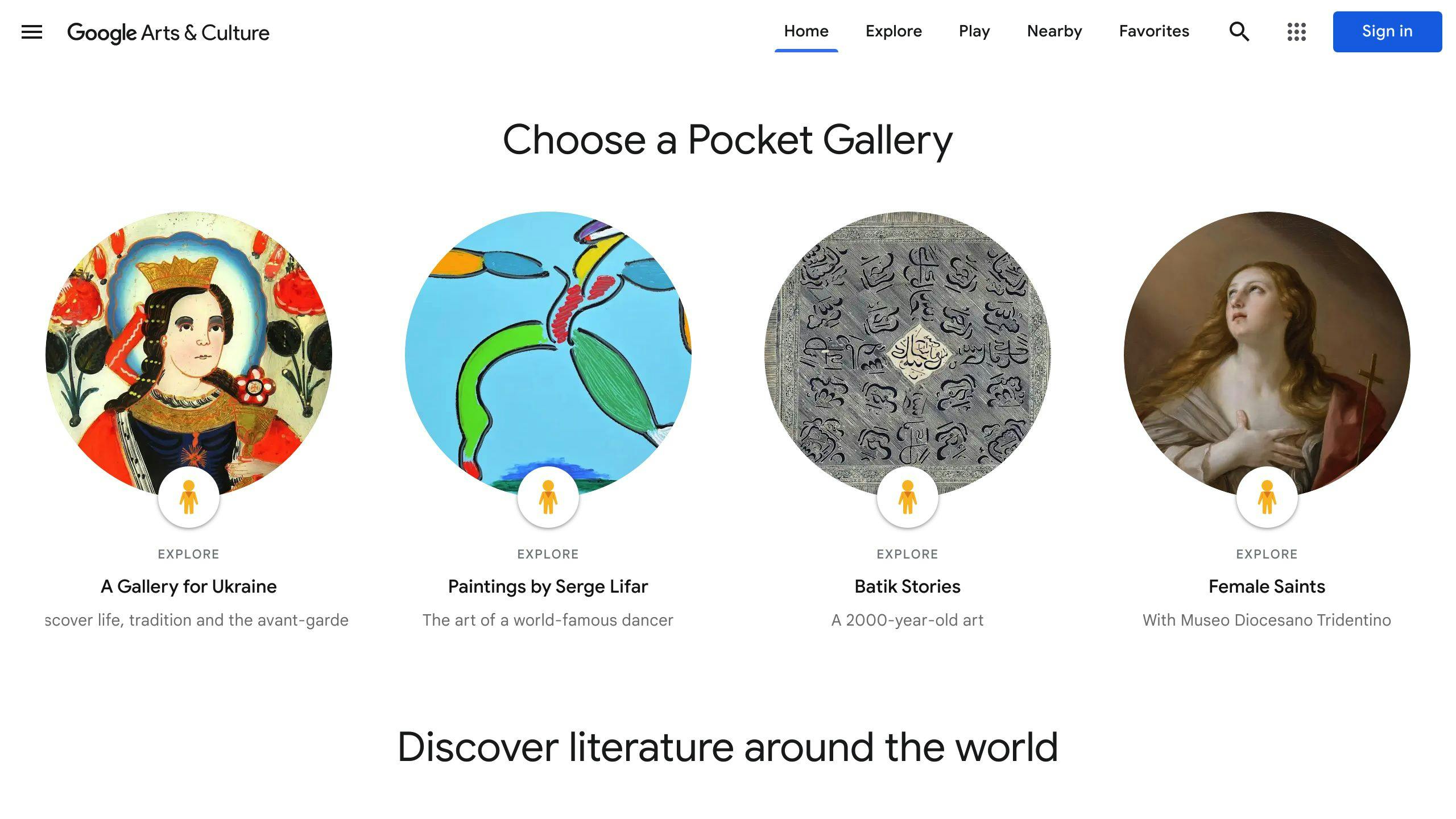
Connecting with Global Art
Digital platforms like Discover Art Around the World make it easier for people to connect with museums that house preserved artworks. Many of these pieces have been restored through bank-funded conservation projects, which aim to protect cultural heritage and share it with a wide audience.
With features such as curated museum lists, updates on trending exhibits, and information about newly restored collections, this platform simplifies the process of discovering and enjoying preserved art. Its user-friendly design ensures visitors can easily find institutions that highlight the results of significant conservation efforts.
Building Appreciation for Preserved Art
This tool plays an important role in increasing public awareness and interest in preserved artworks. Its straightforward design allows users to explore collections linked to conservation projects from various countries and cultures.
Conclusion: The Impact of Bank-Funded Art Conservation
Bank-funded art conservation projects have played an important role in preserving global cultural heritage. For example, the restoration of 32 paintings and frames in the Louvre's Napoléon III Apartments during the Paris Olympics highlights efforts to protect cultural landmarks for future generations [2][4]. Similarly, the conservation of Edgar Degas's Dancer with Bouquets at Virginia's Chrysler Museum shows the range of these preservation activities [2][4].
These efforts go beyond just preservation. They encourage international partnerships that improve techniques and knowledge in art conservation. Collaborations between banks and cultural organizations have created a system that helps protect and share important artworks, making them accessible to people around the world.