

Iconic museums are essential for modern art because they preserve, showcase, and promote it globally. They provide platforms for artists, educate the public, and drive cultural tourism, which boosts local economies. Key highlights:
-
Preservation: Advanced techniques protect fragile and large-scale artworks.
-
Accessibility: Digital tools like virtual tours and online archives connect global audiences.
-
Artist Recognition: Museums like MoMA and Tate Modern highlight both established and emerging artists.
-
Economic Impact: Museums like the Guggenheim Bilbao transform cities into tourist hubs, generating billions in revenue.
From preserving masterpieces to embracing new technologies, museums shape how we experience and understand modern art, ensuring its relevance for future generations.
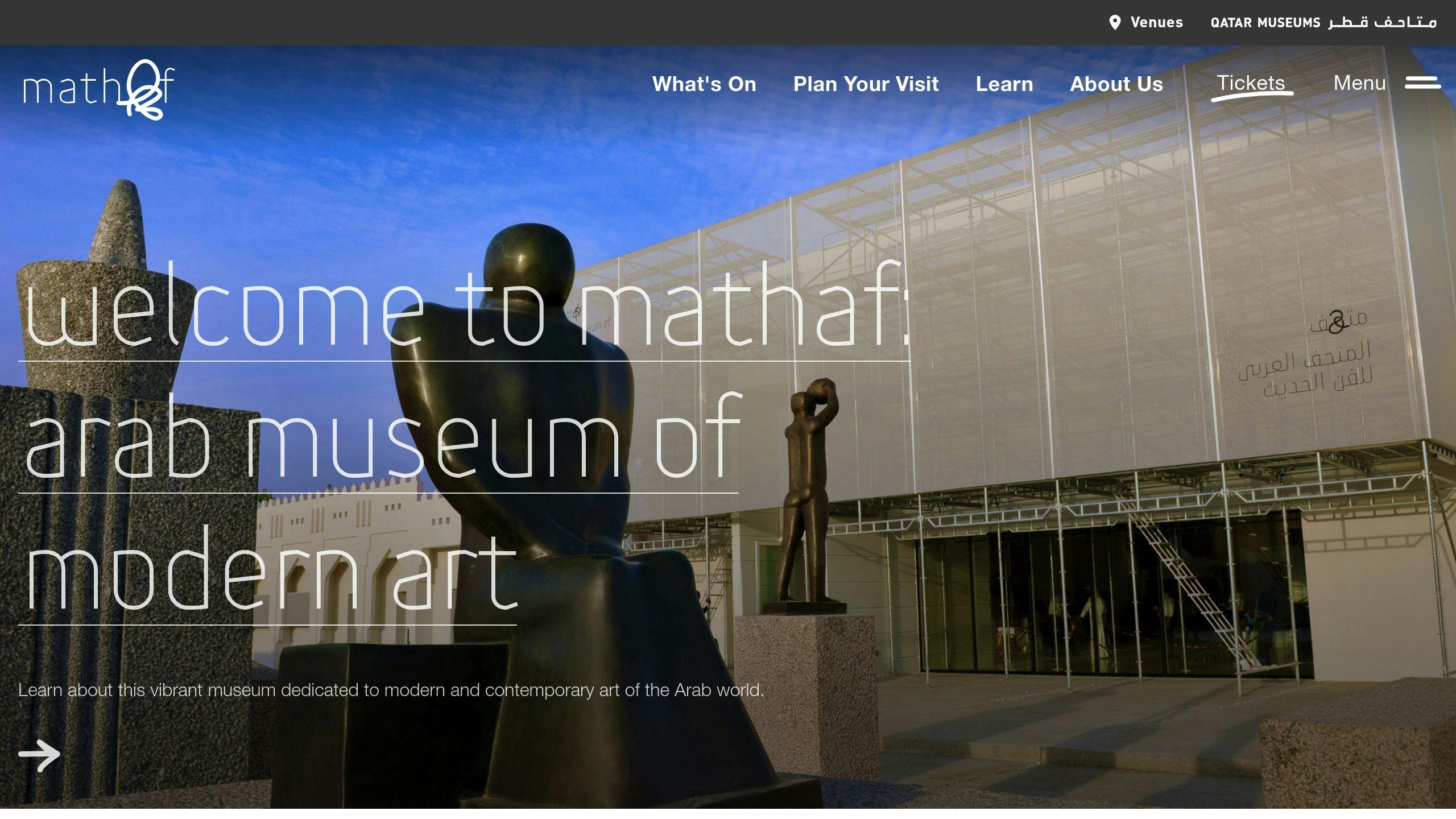
In Conversation with Mathaf: Arab Museum of Modern Art
The History of Iconic Museums and Modern Art
Iconic museums have played a major role in shaping modern art since the early 20th century. Through carefully curated exhibitions, these institutions have influenced how the public views modern art and its evolution.
Key Institutions and Their Influence
The Museum of Modern Art (MoMA), founded in 1929 during the Wall Street Crash, became a key player in modern art appreciation. It introduced audiences to works by Van Gogh, Gauguin, and Cézanne, setting the stage for modern art's prominence [1]. The Guggenheim's unique spiral design offers an engaging way to experience movements like Pop Art and Minimalism [1]. Meanwhile, the Tate Modern transformed a power station into a globally recognized contemporary art hub, demonstrating how industrial spaces can become artistic landmarks.
Museums and Artist Recognition
Madrid's Reina Sofía is home to Picasso's powerful Guernica and Miró's masterpieces, blending modern art with historical architecture [1]. The Met bridges the gap between history and modernity, showcasing artists from Picasso to Kara Walker [4]. By highlighting both established and rising artists, these museums help define what modern art represents.
MoMA alone attracts over 2 million visitors each year [5], showing just how much interest in modern art endures. With digital tools like virtual exhibitions, these institutions are reaching audiences worldwide, continuing to shape the conversation around modern art while meeting the needs of today’s tech-savvy world.
Challenges in Modern Art Preservation and Promotion
Preserving Modern Art
Preserving modern art involves tackling unique hurdles like fragile materials, digital elements, and massive installations. Institutions such as MoMA are at the forefront, using advanced conservation techniques and dedicated departments to address these issues [1]. Museums must carefully control storage conditions while also keeping artworks accessible for exhibitions and research. The Tate Modern is a great example, utilizing specialized storage and climate-controlled spaces to protect even the most delicate pieces. These efforts help ensure modern art remains an integral part of its evolving story.
Increasing Accessibility with Technology
Preservation focuses on protecting the physical artwork, but technology plays a key role in connecting global audiences to these masterpieces. Museums like the Guggenheim and MOCA offer virtual tours and digital archives, allowing people worldwide to explore their collections interactively while safeguarding them for future generations [6]. Tools such as 3D documentation and virtual platforms provide immersive ways to experience art that go beyond traditional visits.
For those planning to visit museums around the world, platforms like Discover Art Around the World (https://allartmuseums.com) offer curated lists of top art institutions, making it easier to organize cultural trips.
"Museums must balance the fast pace of the art world with thoughtful, meaningful exchanges", says art expert Sylvain Levy [3].
Here’s a quick look at some common preservation challenges and their solutions:
| Challenge | Solution | Impact |
|---|---|---|
| Fragile materials | Specialized storage | Longer preservation |
| Limited access | Virtual tours | Broader audience reach |
| Documentation gaps | Digital archives | Easier research access |
| Large-scale artworks | 3D modeling | Better conservation |
Iconic Museums and Global Art Tourism
Major art museums aren't just about preserving and showcasing art - they transform cities into thriving cultural hotspots, attracting visitors and boosting local economies.
Economic Impact of Cultural Landmarks
The "Guggenheim Effect" is a prime example of how a museum can reshape a city's economy and reputation. Since opening in 1997, the Guggenheim Museum Bilbao has contributed over €1 billion to the local economy and drawn 20 million visitors [1]. Its bold design and constantly evolving exhibitions have made it a global cultural magnet.
Similarly, New York's Museum of Modern Art (MoMA) welcomes over 3 million visitors each year. These tourists inject considerable revenue into the local economy through spending on tickets, dining, accommodations, and more [2]. Museums like these create ripple effects across various sectors:
| Economic Benefit | Impact Area | Example |
|---|---|---|
| Revenue & Tourism Growth | Ticket sales, hospitality | Museum admissions, local tourism |
| Job Creation | Cultural sector | Museum staff, tour guides, art experts |
| Urban Development | Infrastructure | New businesses, better transportation |
Global Museum Exploration
For art enthusiasts planning cultural trips, digital platforms have become essential. The revenue from these visitors helps museums continue their mission of preserving and sharing art.
To stay relevant, museums are blending technology with tradition. The Louvre uses VR to create immersive experiences, while the Tate Modern has expanded its physical space to accommodate contemporary art and engage with modern audiences. These efforts ensure that museums remain at the forefront of cultural tourism, meeting the needs of a global audience while maintaining their artistic focus.
As tourism evolves, the role of museums in shaping the cultural and artistic landscape becomes even more influential.
The Future of Iconic Museums in Contemporary Art
Supporting New Artists and Trends
Iconic museums are taking on new roles to highlight emerging talent and experimental art. For example, the Museum of Modern Art (MoMA) in New York regularly features special exhibitions that showcase contemporary artists alongside renowned figures like Warhol and Pollock [1][2]. This approach connects modern work to its historical roots, giving new art a meaningful platform.
The Museo Nacional Centro de Arte Reina Sofía in Madrid offers another great example. It houses Picasso's Guernica while also featuring cutting-edge installations, showing how museums can balance historical importance with modern relevance [1]. These efforts reflect a commitment to preserving modern art movements while staying relevant in today’s art world.
At the same time, museums are exploring new technologies to change how audiences experience art.
Using New Technologies in Museums
Digital transformation is reshaping how museums engage visitors and make art more accessible. The Tate Modern in London, for instance, has introduced augmented reality (AR) into its exhibitions, creating a more interactive and engaging experience [1].
Beyond AR, museums are adopting artificial intelligence and virtual reality to redefine how people interact with art. These tools are being used to:
-
Build interactive digital archives
-
Design immersive exhibition experiences
-
Provide virtual access to collections
These innovations not only enhance the way art is experienced but also ensure contemporary works are preserved for future generations. By embracing these tools, museums are reaching global audiences like never before.
Conclusion: The Importance of Iconic Museums for Modern Art
Iconic museums play a crucial role in preserving, shaping, and promoting modern art. These institutions have grown beyond being mere art repositories, evolving into dynamic spaces that influence the direction of contemporary art [1][2].
Their influence can be seen in three main areas. First, they act as protectors of cultural heritage, using advanced methods to conserve modern artworks. This ensures that even art with unique preservation challenges remains intact for future generations. By safeguarding these works, museums help maintain their relevance while encouraging new creative directions.
Second, these museums support innovation by championing emerging artists while connecting their work to broader art history. For example, the Guggenheim Museum strikes a balance between highlighting fresh talent and preserving historical significance [1]. This approach counters concerns, like those expressed by collector Sylvain Levy, about the art world's overproduction and declining quality [3]. Additionally, by integrating technologies like AR and AI, museums create new ways for audiences to experience art.
Lastly, iconic museums act as cultural hubs, encouraging global collaboration and exchange. The Guggenheim Bilbao's impact on its city showcases how these institutions can transform communities [1]. Digital tools further break down barriers, making art more engaging and accessible to people worldwide.
Looking ahead, iconic museums will continue to shape the future of modern art. By preserving artistic heritage, supporting new voices, and embracing technological advancements, they ensure that art remains both relevant and inclusive for generations to come. These institutions don't just protect the past - they actively influence the future.
FAQs
How do museums shape meaning?
Museums influence how we understand art by curating exhibitions that shape societal views. For example, institutions like MoMA carefully select and present works from artists such as Van Gogh, Picasso, and Warhol [1][2]. These choices create narratives that provide deeper insights into the cultural and historical importance of art. By doing so, museums guide our interpretation and appreciation of modern art.
What is the importance of museums and art galleries?
Museums and galleries play a key role in society by:
-
Preserving cultural heritage: Advanced preservation methods, like those used by MoMA, help safeguard art for future generations [2].
-
Educating the public: They make art history and contemporary practices understandable to a wide audience, breaking down complex concepts.
-
Boosting cultural tourism: These spaces contribute to economic growth and use technology to connect with global audiences [3].